
Converting visitors into customers requires more than more traffic. If your Google listing and website attract clicks but not calls, the leak is usually trust or friction: people are interested enough to look, then hesitate at the decision moment.
Conversion rate optimization (CRO) for local brands is practical. Clarify the offer, remove steps that create doubt, and place proof where the decision happens. Reviews are one of the highest-leverage proof types because shoppers already use them as a risk filter before they contact a business.
Research and marketplace tests keep showing the same pattern: pages and listings with visible, relevant reviews feel more trustworthy and earn more contact actions than otherwise identical pages without proof. Placement matters. A compact rating near the call button usually beats a giant review wall buried in the footer.
This guide covers CRO basics through a reviews lens: where to put proof, how to reduce friction, what to test first, and which metrics tell you the changes worked.
Define the conversion you actually want
“More conversions” is vague. Pick the primary action for each page:
- Call clicks for emergency or high-intent service pages
- Form submits for quote requests
- Booked appointments for clinics and consultants
- Direction requests for walk-in locations
- Checkout completions for product sellers
Then write the page so every section supports that one action. Secondary links are fine; competing primary buttons are not. Reviews should reinforce the same action by reducing fear right beside it.
Create a clear value proposition before you decorate
Social proof cannot save a confusing offer. Above the fold, answer: what do you do, for whom, in what area, and what should I do next? Add a compact review signal next to that message so the claim has backup.
Strong above-the-fold formula:
- Specific service + location or audience
- Differentiator customers care about (speed, warranty, specialty)
- Primary CTA
- Rating + review count or one short relevant quote
If a stranger cannot understand the offer in five seconds, fix the copy before you redesign colors or animations.
Place review proof at the decision points
Match the proof format to the page job:
| Page / surface | Best proof format | Why it works |
|---|---|---|
| Homepage hero | Stars + review count | Instant credibility |
| Service page CTA | 1–3 recent service-specific quotes | Similarity + relevance |
| Contact / quote form | Reliability and communication reviews | Reduces form anxiety |
| Pricing page | Value and fairness themes | Defends price |
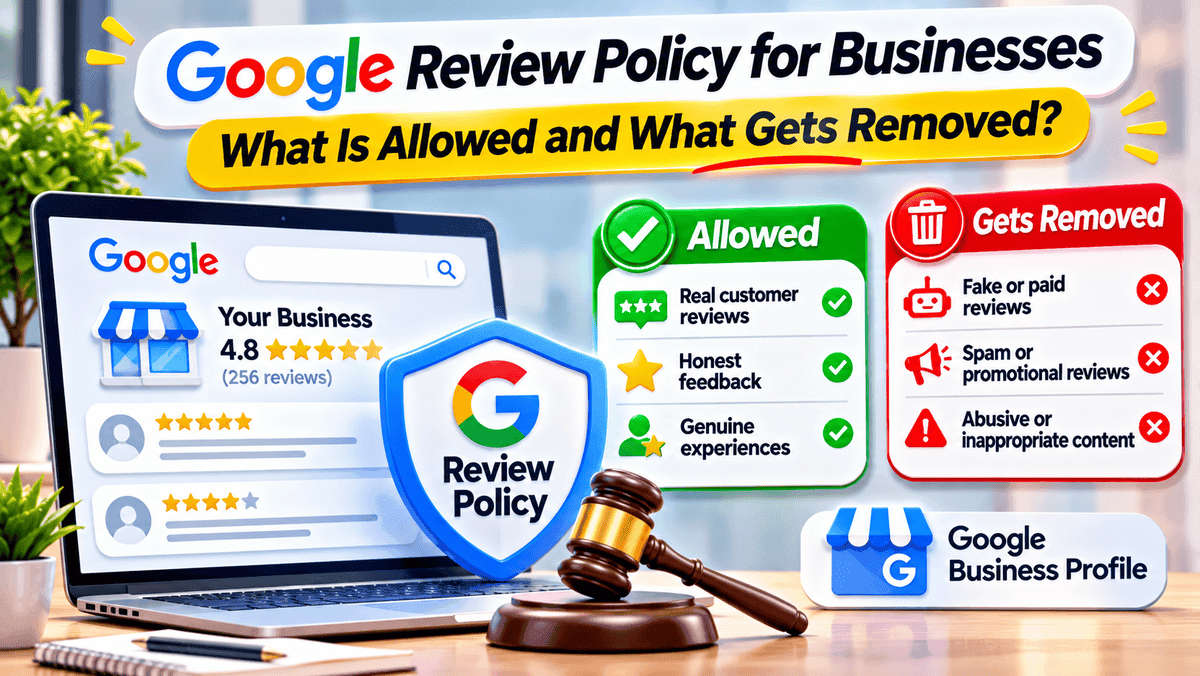
| Google Business Profile | Fresh reviews + owner replies | Trust at discovery |
| Ads landing page | Single strong testimonial near form | Focus without clutter |
Avoid autoplay carousels that distract, pop-ups that block the form, and huge walls on short landing pages. Proof should support the click, not compete with it. For trust psychology behind these placements, see Psychological Triggers That Help Customers Trust You.
Remove friction from calls, forms, and checkout
Every extra field, delay, or surprise tax reduces conversion. Audit the path from interest to contact:
- Click-to-call works on mobile and uses the real answered number
- Forms ask only for needed fields
- Booking calendars show real availability
- Page speed stays usable on mobile networks
- Policies for pricing, deposits, and cancellations are clear before payment
- Thank-you states confirm next steps so people are not left guessing
Pair friction removal with proof. A short form next to a relevant review often converts better than a long form under a generic banner image.
Build a review engine that keeps proof fresh
CRO is not only on-page design. If your public reviews go stale, website widgets and listing trust decay with them. Create a completion-day ask, reply to every review, and refresh featured quotes monthly so proof stays current.
Minimum viable review engine:
- Direct review link saved for staff
- Same-day ask after successful service
- Weekly reply block on the calendar
- Monthly selection of new quotes for key pages
- Quarterly prune of outdated screenshots or widgets
For generating more Google reviews without clumsy nagging, use Mastering the Art of Getting More Google Reviews.
Measure CRO like an operator, not a decorator
Track a small scorecard before and after each change:
| Metric | Source | Decision use |
|---|---|---|
| Conversion rate by page | Analytics / call tracking | Did the change help? |
| Call / form volume | CallRail, GA4, CRM | Leading demand signal |
| Landing page bounce / scroll | Analytics | Is the offer unclear? |
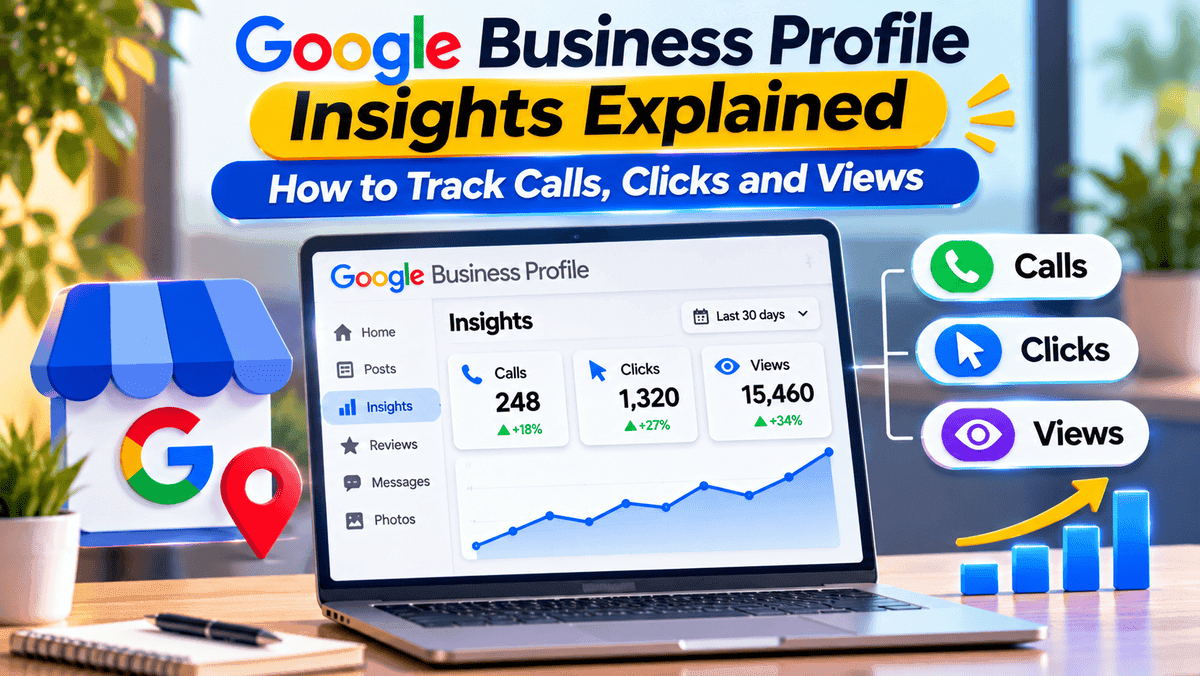
| GBP calls & direction requests | Profile insights | Listing conversion health |
| New reviews / 30 days | Profile + spreadsheet | Proof freshness |
| Reply time to reviews | Weekly audit | Trust operations |
Change one major element at a time when traffic allows. If volume is low, use longer observation windows and directional judgment rather than fake precision.
A 21-day CRO sprint focused on reviews
Week 1: baseline metrics, clarify offer copy, add rating + one quote beside primary CTAs. Week 2: shorten forms, fix mobile call buttons, align service-page testimonials to each service. Week 3: launch review-request cadence, reply SOP, and replace stale proof.
At the end of 21 days, keep what improved conversion or lead quality and discard decorative changes that did nothing. Small improvements compound. For broader local visibility support alongside conversion work, read How to Boost Local SEO. When paced review growth is part of the plan, see Buy Google Reviews.
Mobile CRO details that local brands miss
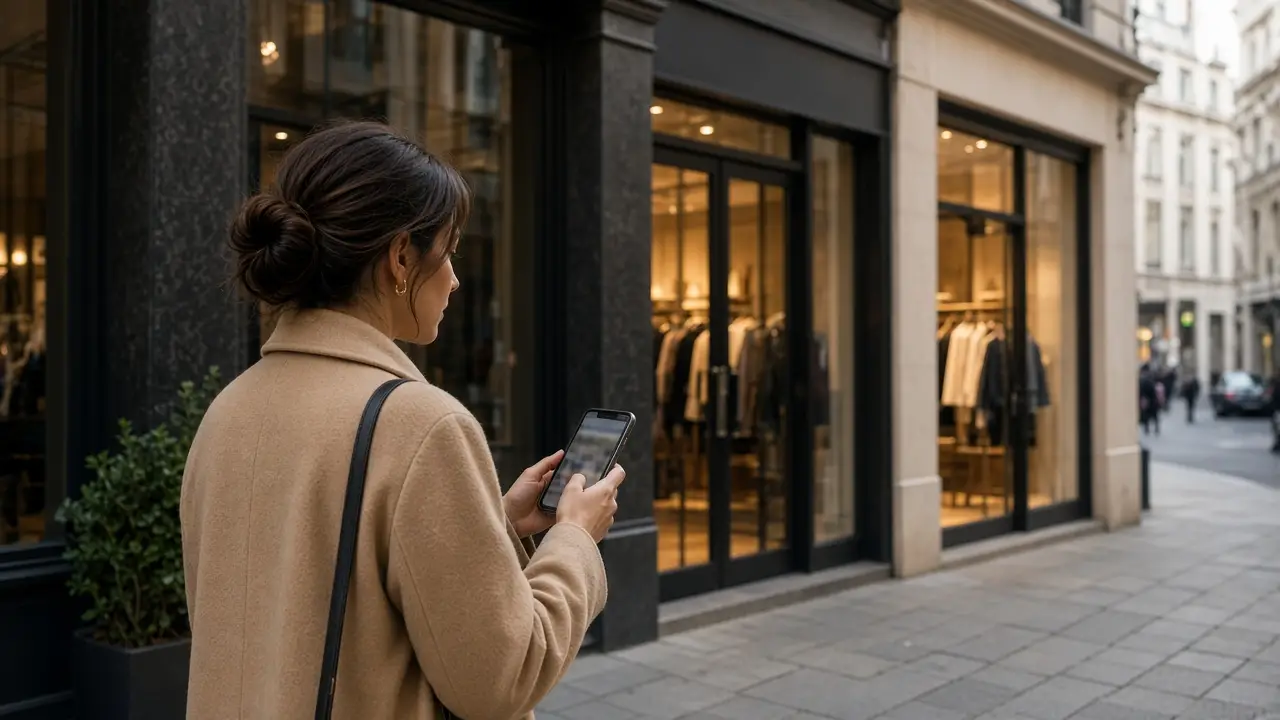
Most local visits happen on phones. If the call button is hard to tap, the form keyboard covers fields, or review text is truncated into unreadability, desktop wins mean little.
- Make tap targets large enough for thumbs
- Keep the primary CTA sticky or repeated after key proof sections
- Load review snippets as real text, not only images
- Compress images so proof sections appear quickly
- Test on a mid-range Android device, not only a flagship iPhone
A mobile shopper comparing two plumbers will often choose the listing/site that feels easier and safer in under a minute. Speed plus proof beats decorative desktop layouts.
Offer clarity examples that raise conversion
Reviews multiply a clear offer. They cannot repair a vague one. Compare weak versus strong statements before you invest in widgets.
| Weak offer copy | Stronger local offer copy |
|---|---|
| “Quality service you can trust” | “Same-week AC repair for homes in North Austin” |
| “Contact us today” | “Call now for a 15-minute diagnostic window” |
| “Best prices” | “Written quote before work begins—no surprise fees” |
| “Happy customers” | “4.8 stars from 160+ Google reviews this year” |
Rewrite your top three landing pages with this table as a filter, then place matching reviews beside the new claims. Clarity plus proof is the core CRO stack for local services. Broader reputation context sits in How Customer Reviews Build Trust for Local Brands.
Frequently asked questions
Small changes, compounding results
Conversion rate optimization is continuous improvement, not a single redesign. Clarify the offer, remove friction, and put authentic review proof where shoppers decide.
Start with those fundamentals, measure weekly, and iterate. Your traffic becomes more valuable every time doubt drops at the moment of action.
About the Author
Sarah JohnsonGrowth Specialist
Specializes in helping local businesses maximize online visibility and customer engagement.