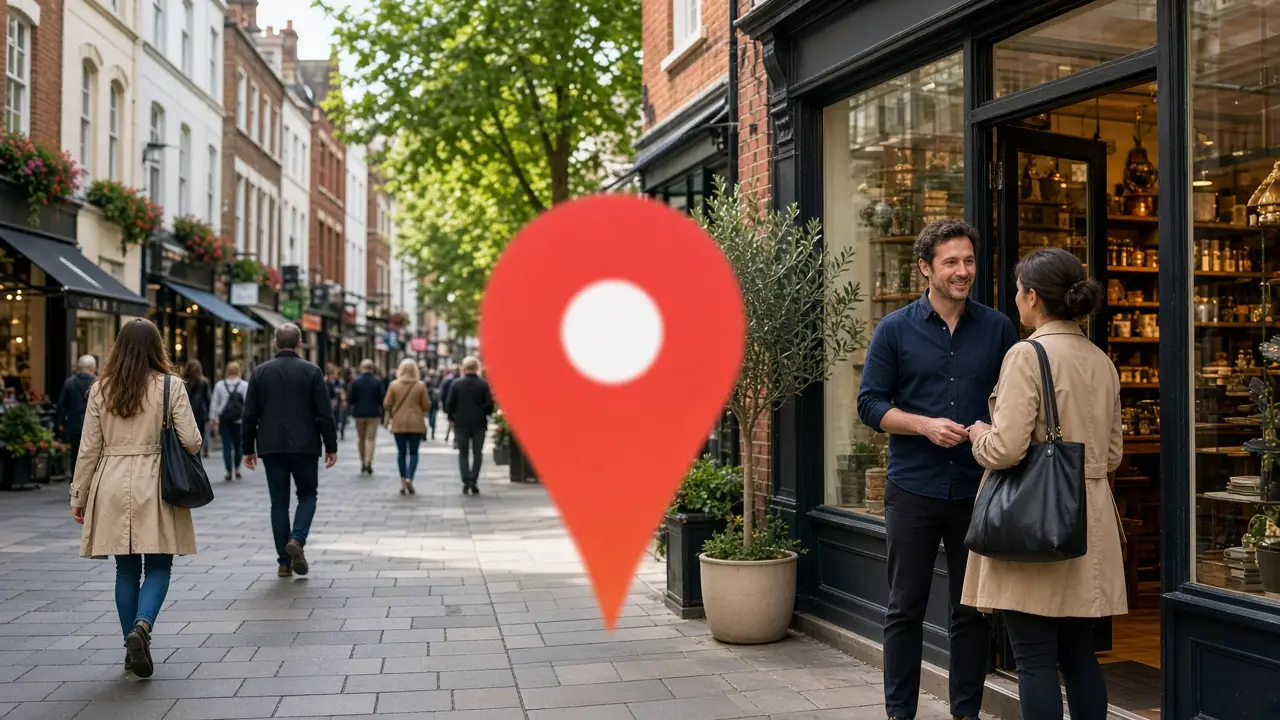


Ranking at the top of Google Maps in 2026 is less about secret loopholes and more about compounding signals that shoppers and algorithms both trust. The map pack still rewards proximity, relevance, and prominence—but the way those factors are earned has tightened. Incomplete profiles, stale photos, and review silence lose clicks even when a business has operated for years.
Owners who win the map pack treat their Google Business Profile like a living storefront. They keep hours accurate, categories precise, photos fresh, and public feedback arriving on a believable schedule. They also write for the neighborhood language customers actually type—street names, service phrases, and outcomes—not generic marketing slogans.
This guide breaks down five high-leverage hacks that local brands use to climb Maps rankings without burning budget on random tactics. Each hack works with the others: a clean category setup amplifies review relevance, and strong photos make recent reviews more persuasive when someone opens your listing.
If you also need a paced way to keep social proof visible, explore Buy Google Reviews alongside the on-page habits below. For the broader local foundation that supports Maps, see How to Boost Local SEO.
Hack 1: Make Your Profile Uncomfortably Complete
Google still favors listings that look finished. That means primary category, secondary categories that match real services, service menus with prices when relevant, attributes, hours including special hours, and a description that reads like a helpful summary—not a keyword dump. Incomplete fields are a quiet ranking tax because they reduce relevance matches and conversion confidence.
Audit your listing monthly. Confirm the address format matches citations, the phone number is clickable and monitored, and the website URL resolves to a page that names the same city and services. If you have multiple locations, never share a single profile across sites; each location needs its own verified entity with unique photos and reviews.
Use posts and products as active inventory. Weekly Google posts about seasonal offers, new staff, or completed jobs signal that the business is current. Product and service items give Google structured language to match against search queries. When customers land on a complete profile, they call faster—and engagement metrics reinforce prominence.
Many competitors stop at “good enough.” Your edge is finishing the boring fields: parking options, accessibility, payment methods, appointment links, and messaging. Those details do not magically place you number one, but they remove excuses for Google—and for shoppers—to choose someone else.
Hack 2: Treat Review Velocity as a Ranking Signal You Can Schedule
In 2026, the all-time star average still matters, but freshness matters more than most owners admit. A listing with 200 reviews and nothing new for eight months often loses the emotional comparison to a smaller profile that received three specific reviews this week. Shoppers sort by newest first. Algorithms notice activity patterns too.
Healthy velocity is paced, not dumped. Aim for a calendar that matches your real customer volume. A dental clinic and a busy cafe should not share the same weekly target. Spread requests across channels: SMS after appointments, QR codes at checkout, and follow-up emails with a one-tap Google link. Avoid identical wording; ask customers to name the service and the neighborhood.
Respond to every review within a day when possible. Replies with specifics—what was fixed, who helped, what happens next—turn public feedback into proof of care. That engagement supports prominence and improves conversion even when your pin is not yet first.
 Pair velocity with profile hygiene: if hours or categories are wrong, new reviews cannot rescue the listing. When you need a structured way to keep feedback arriving while you tighten operations, Buy Google Reviews can complement organic asks—so long as delivery stays paced and service-specific.
Hack 3: Use Photo Cadence as a Quiet Prominence Lever
Photos are not decoration on Maps. Listings with frequent, authentic imagery earn more direction requests and phone taps. Google also uses visual freshness as a quality clue. Exterior shots, interior context, team faces, and before/after work photos help shoppers decide before they ever visit your site.
Build a simple cadence: add new photos weekly, not once a year after a remodel. Mix owner uploads with customer photos when they are appropriate. Avoid stock-looking images and heavy filters. Name files and captions with plain language about the location and service without stuffing keywords into every sentence.
Track which photos get views in Insights. Double down on what converts: storefront clarity for first-time visitors, product close-ups for retail, and finished job galleries for trades. Remove outdated photos that show closed rooms, old branding, or incorrect hours signage.
Photo discipline pairs with review content. When a recent review mentions a clean waiting room or a fast repair, matching visuals make the story feel true. That combination is one of the fastest ways to turn a mid-pack listing into a click magnet.
Hack 4: Win Relevance With Ruthless Category and Keyword Discipline
The primary category is the single most important relevance switch on your profile. Choose the category that matches the money service, not vanity. Secondary categories should cover real offerings without turning the listing into a junk drawer. Misaligned categories waste every other signal you build.
Mirror category language on your website title tags, H1s, and service pages. If Maps shows you as a “Plumber,” your site should not hide that word behind clever branding alone. Create location pages that name suburbs and cities you actually serve, with unique proof—projects, reviews, and staff—not spun paragraphs.
Mine Insights and Search Console for the exact phrases customers use. Update your services list and Q&A with those phrases answered in plain English. Seed FAQ answers that remove friction: parking, insurance, emergency response windows, and pricing ranges when you can share them.
Relevance also means saying no. Do not chase every adjacent category. Thin relevance across too many categories dilutes the match for the searches that pay your bills. Depth in the right niche beats breadth that confuses Google and shoppers alike.
Hack 5: Build Local Prominence Beyond the Map Pin
Prominence is the trust stack around your name: citations, branded searches, links, mentions, and review quality. Clean NAP consistency across major directories still matters. Prioritize Apple Maps, Bing Places, Facebook, and industry directories where your buyers already look.
Earn mentions that feel local: chamber sites, neighborhood blogs, sponsorship pages, and partner businesses. A few contextual links from relevant local pages often outperform dozens of low-quality directory dumps. Encourage branded searches by putting your exact business name on vehicles, uniforms, and invoices.
 Track competitors who hold the top three pins. Note their categories, review age, photo volume, and posting habits. Copy the operating rhythm—not their fake-looking review spikes. Sustainable prominence is a system, not a one-week blitz.
Finally, align offline excellence with online proof. Fast callbacks, clear estimates, and tidy job sites create the reviews Maps rewards. Ranking first is empty if the phone experience breaks. Use Maps Insights to connect ranking movement with calls and direction requests so you optimize for revenue, not vanity pins.
How These Five Hacks Work Together in 2026
Think of the five hacks as a loop. Completeness unlocks relevance. Relevance makes reviews and photos more persuasive. Fresh reviews and photos raise engagement. Engagement and citations raise prominence. Prominence makes completeness more valuable because more people see a polished profile.
Set a monthly scorecard: profile completion checklist, new photos added, review count and response rate, category audit, citation cleanup, and competitor pin snapshot. Fifteen focused minutes a week beats a frantic quarterly scramble.
If your foundation is weak, start with How to Boost Local SEO before chasing aggressive map tactics. If social proof is the bottleneck after the profile is clean, add a paced review plan rather than hoping happy customers remember to post.
Teams that win Maps treat it like operations, not magic. The “secret” is consistency with the signals Google already documents—executed more carefully than the business next door.
Common Mistakes That Keep You Stuck Mid-Pack
Keyword stuffing the business name is still a common self-own. It looks spammy to customers and can trigger guidelines issues. Keep the name exact as it appears on the storefront and legal documents.
Buying random citations from low-quality networks can create NAP chaos. Prefer fewer accurate listings. Another mistake is ignoring negative feedback; unanswered one-star reviews quietly suppress conversion even if average stars look fine.
Owners also over-index on website SEO while neglecting Maps posts and messaging response times. In local discovery, the profile often is the landing page. If you only optimize the website, you leave the highest-intent surface unfinished.
Last, do not chase overnight number-one rankings in saturated metros. Measure progress by calls, bookings, and pin stability across a few target queries. Climbing from position six to three can change revenue before you ever claim the crown.
Frequently asked questions
Can these hacks guarantee a #1 Google Maps ranking?
No ethical tactic can guarantee first place. Proximity and competition always matter. These hacks improve your odds by strengthening relevance, prominence, and conversion signals so you win more often when you are in the consideration set.
How fast can Maps rankings move after changes?
Profile completeness and photo updates can influence engagement within days. Review velocity and citation cleanup usually show clearer movement over several weeks. Competitive markets take longer; track monthly rather than daily.
Do Google reviews matter more than website content for Maps?
Both matter. Reviews heavily influence trust and engagement on the listing itself. Website content and links support relevance and prominence. The strongest local brands invest in both instead of choosing one.
Should I focus on one category or many?
Choose one accurate primary category tied to your core revenue. Add a small set of honest secondary categories. Too many weak categories dilute relevance and confuse customers about what you actually do.
What should I do if my reviews suddenly stop?
Rebuild the ask: shorten the request, send it closer to the happy moment, and make the Google link one tap. Check that staff are not afraid to ask. Supplement with a paced program if organic volume stays too low for your market.
Rank Maps Like an Operator, Not a Gambler
The five hacks—complete profiles, paced review velocity, photo cadence, category discipline, and local prominence—are boring on purpose. Boring systems beat clever one-offs in Google Maps ranking work.
Implement one hack per week, measure calls and directions, and keep the loop running. When you want help accelerating social proof the right way, start with Buy Google Reviews and keep learning through How to Boost Local SEO.
First place is a moving target. Operational excellence on your listing is the closest thing to a durable advantage in 2026.
Frequently asked questions
Rank Maps Like an Operator, Not a Gambler
The five hacks—complete profiles, paced review velocity, photo cadence, category discipline, and local prominence—are boring on purpose. Boring systems beat clever one-offs in Google Maps ranking work.
Implement one hack per week, measure calls and directions, and keep the loop running. When you want help accelerating social proof the right way, start with Buy Google Reviews and keep learning through How to Boost Local SEO.
First place is a moving target. Operational excellence on your listing is the closest thing to a durable advantage in 2026.
About the Author
Sarah JohnsonGrowth Specialist
Specializes in helping local businesses maximize online visibility and customer engagement.